Santa Christmas Wreath
First Impression: Festive, Elegant, and Instantly Recognizable
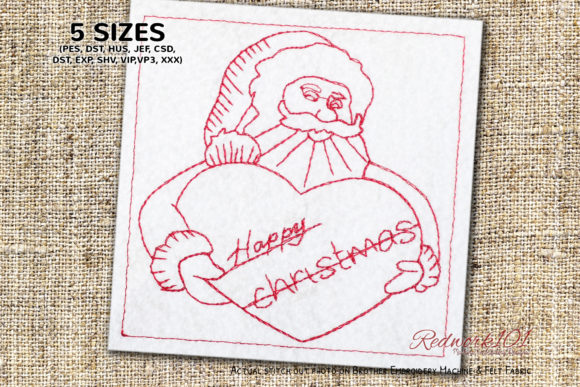
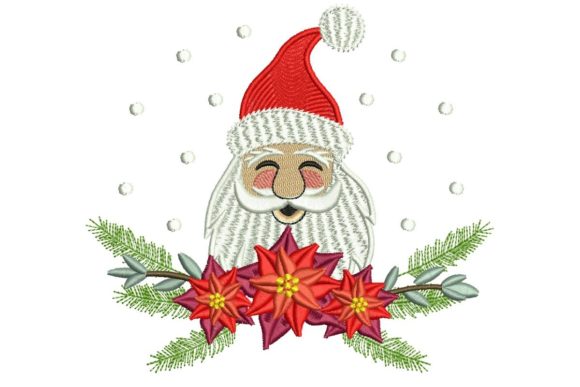
As an embroidery designer who’s prepped over 200 craft fair booths—and shipped thousands of finished products—I opened Santa Christmas Wreath expecting charm, not clutter. What I found was a design that lands perfectly between playful and polished: Santa’s face nestled in a lush, dimensional wreath with subtle berry accents and soft greenery. It doesn’t scream “cartoon” or lean into kitsch—it feels intentional, warm, and handmade in the best way. That balance is gold at a craft fair, where shoppers scan tables in under three seconds. This isn’t background decor; it’s a conversation starter.
Where It Shines: Craft Fair Products That Sell
Tote bags are my top pick for Santa Christmas Wreath. Centered on a natural canvas or cream linen tote, it reads clearly from six feet away—bold enough to catch eyes, refined enough to avoid holiday fatigue. The wreath shape naturally frames the Santa motif, giving structure without rigidity. On aprons, it works beautifully above the pocket (not too high, not too low), adding personality without overwhelming the wearer’s movement.
Tea towel embroidery is another winner—especially on medium-weight cotton or linen blends. The design scales well at 4.5"–5.5", keeping Santa’s expression legible while letting the wreath’s texture shine. For embroidered patches, I’d recommend a 3.25" version: clean edges, minimal fill density, and no tiny interior details that vanish when heat-sealed or sewn on. As a pillow cover focal point, it holds weight without competing with fabric patterns—ideal for farmhouse, modern cottagecore, or boutique-style displays.
It’s less ideal for curved surfaces like caps unless resized carefully (under 3"). Tiny facial features and tight wreath loops can distort or stitch poorly on rigid caps without advanced digitizing adjustments. Likewise, avoid using it full-size on textured towels (like waffle weave) unless you’ve tested stabilizer layers thoroughly—dense stitch areas may sink or blur.
Production Reality Check: Speed, Clarity, and Consistency
This is a machine embroidery design built for real-world output—not just digital appeal. It loads cleanly into most embroidery software, and the embroidery file layout suggests thoughtful nesting: smooth satin stitches for Santa’s hat trim, balanced fill for the wreath base, and open negative space that prevents thread buildup. That means faster hooping, fewer thread breaks, and reliable results across batches—critical when you’re stitching 40+ craft fair products in two days.
Photographing Santa Christmas Wreath for Etsy listings or social media is straightforward: it pops on light and mid-tone fabrics, and the contrast between red, green, and creamy skin tones translates well in natural light. Avoid dark fabric unless you confirm thread colors include bright white or metallic silver for highlights—otherwise, Santa’s face loses dimension. And yes—it photographs even better as a printable mockup: clean lines, consistent spacing, and zero pixelation at standard web sizes.
Careful-Use Notes Every Designer Should Know
- Dense stitch areas: The center of the wreath (where branches overlap) has higher stitch density—use cutaway + tear-away stabilizer combo on lightweight fabrics to prevent puckering.
- Tiny details: Santa’s eyes and smile are expressive but small—don’t shrink below 3". Below that, they risk becoming indistinct blobs.
- Fabric texture matters: Skip heavy terry cloth or thick denim unless you reduce density manually. Stick to quilting cotton, linen, canvas, or twill for best clarity.
- Dark fabric warning: Test thread contrast first. Standard red/green threads fade on charcoal or navy—swap in brighter or metallic alternatives if needed.
- Hoop size & spacing: Confirm the largest version fits your standard hoop before bulk stitching. Also check spacing between elements—if Santa sits too close to the wreath edge, it may stitch unevenly on uneven fabric tension.
Why It Strengthens Your Booth—and Your Brand
Santa Christmas Wreath elevates perceived value instantly. Unlike generic snowflakes or scripty “Joy” designs, it carries narrative warmth—customers don’t just see decoration; they see a handmade product with story, care, and seasonal intention. At a crowded fair, it helps your table feel curated, not cluttered. When paired with cohesive color palettes (think forest green, cream, burgundy, and ivory), it reinforces brand consistency across totes, aprons, and pouches—even if each item uses a different base fabric.
For Etsy sellers and small shop products, this design supports both one-off gifting and scalable production. Its versatility means you can offer it as a standalone digital embroidery file, a ready-to-ship embroidered patch, or a premium finished product—all from the same core asset. That flexibility multiplies your ROI without multiplying your design workload.
Pro Designer Checklist Before You Stitch
- Test Santa Christmas Wreath on scrap fabric matching your final product—same weight, same wash treatment.
- Check thread contrast on *both* light and dark fabric swatches—don’t assume default colors will read.
- Review spacing and alignment in your embroidery software—especially if nesting multiple designs on one hoop.
- Confirm hoop size compatibility—some versions may require 6x10" or larger.
- Inspect stitch density in the wreath base and Santa’s hat—adjust if needed for your machine’s speed or fabric type.
- Use the right stabilizer: cutaway for knits, tear-away for stable wovens, and fusible + tear-away for tea towels.
- Create at least one real mockup—not just a digital preview—to assess drape, texture, and visual weight in person.
- Compare how it looks across three fabric colors (e.g., natural, sage, rust) to guide inventory decisions.
- Verify commercial licensing terms before selling finished items—this is non-negotiable for commercial embroidery.
In short: Santa Christmas Wreath isn’t just another holiday design. It’s a smart, sale-ready design asset—thoughtful in execution, flexible in application, and deeply aligned with what buyers respond to at craft fairs, boutiques, and online markets. Stitch it right, present it well, and watch it become a quiet bestseller in your Christmas lineup.